7 Mistakes You’re Making with Workplace Safety Training (and How to Fix Them)

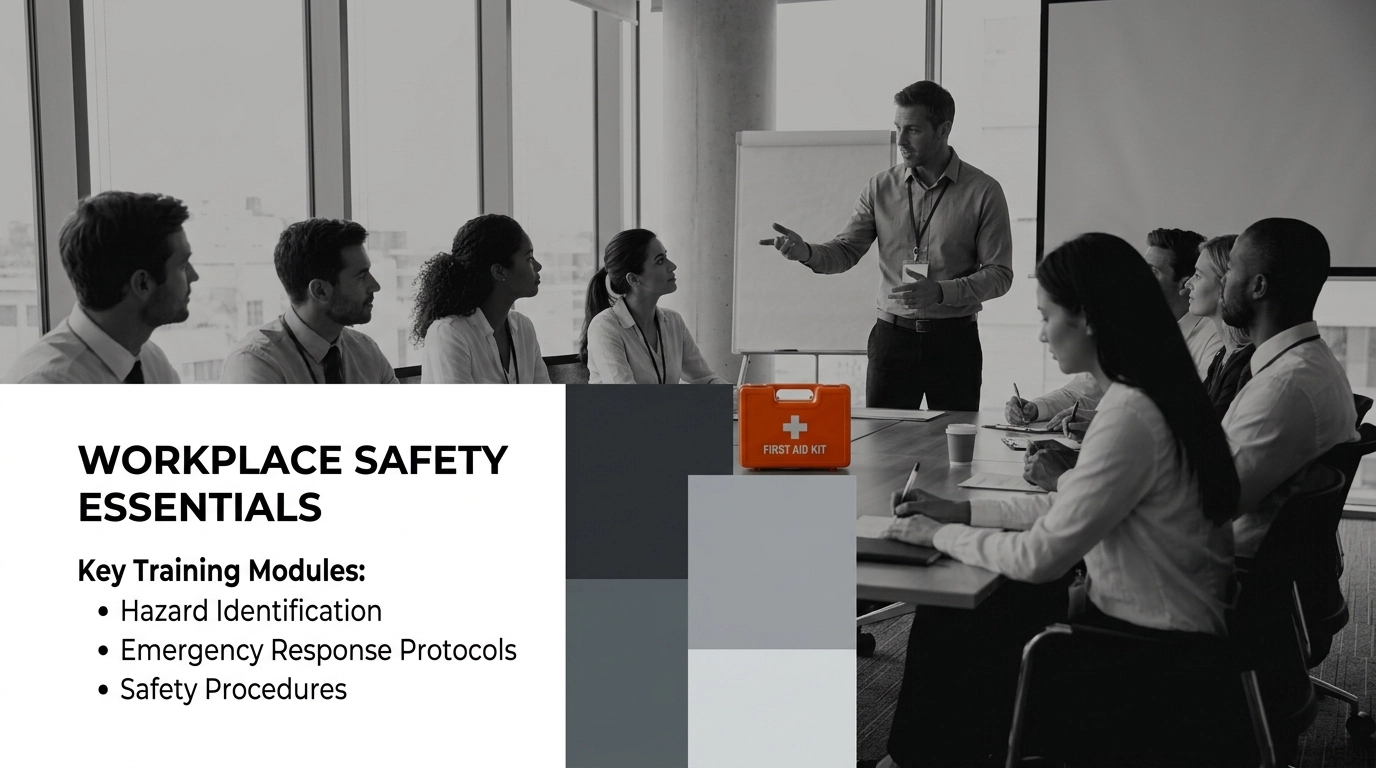
As an HR manager or operations director, your to-do list is likely a mile long. Between recruitment, performance reviews, and operational logistics, ensuring every team member stays compliant with safety standards can sometimes feel like just another administrative hurdle.
But here is the reality we face in 2026: Workplace safety training is not a checkbox; it is a lifeline.
When training is treated as a chore, retention plummets, and risks skyrocket. At Lioness Response & Consulting LLC, we’ve seen how traditional, dry compliance training fails to prepare employees for the high-stakes pressure of a real emergency. We believe in elevating safety from a manual in a cabinet to a core pillar of your company culture.
Are you inadvertently undermining your safety efforts? Here are the seven most common mistakes we see in workplace safety training: and exactly how you can fix them to empower your team.
1. Treating Training as a "Check-the-Box" Exercise
The biggest mistake many organizations make is focusing solely on the Health and Safety Certification rather than the competence of the individual. If your primary goal is simply to avoid a fine or satisfy an auditor, your employees will sense that lack of commitment.
The Fix: Shift the focus from compliance to capability. Don’t just record that a course was completed; validate that the skill was mastered. At Lioness, our professional instruction focuses on practical application. After a session, supervisors should observe employees performing safety tasks in their actual work environment to ensure the knowledge has bridged the gap from the classroom to the floor.
2. "Death by PowerPoint" (Lack of Engagement)
We’ve all been there: sitting in a dim room, watching a presenter read 50 slides of dense text. This approach is the quickest way to ensure your staff retains exactly 0% of the information. Engagement is the key to retention. If your team is bored, they aren’t learning.
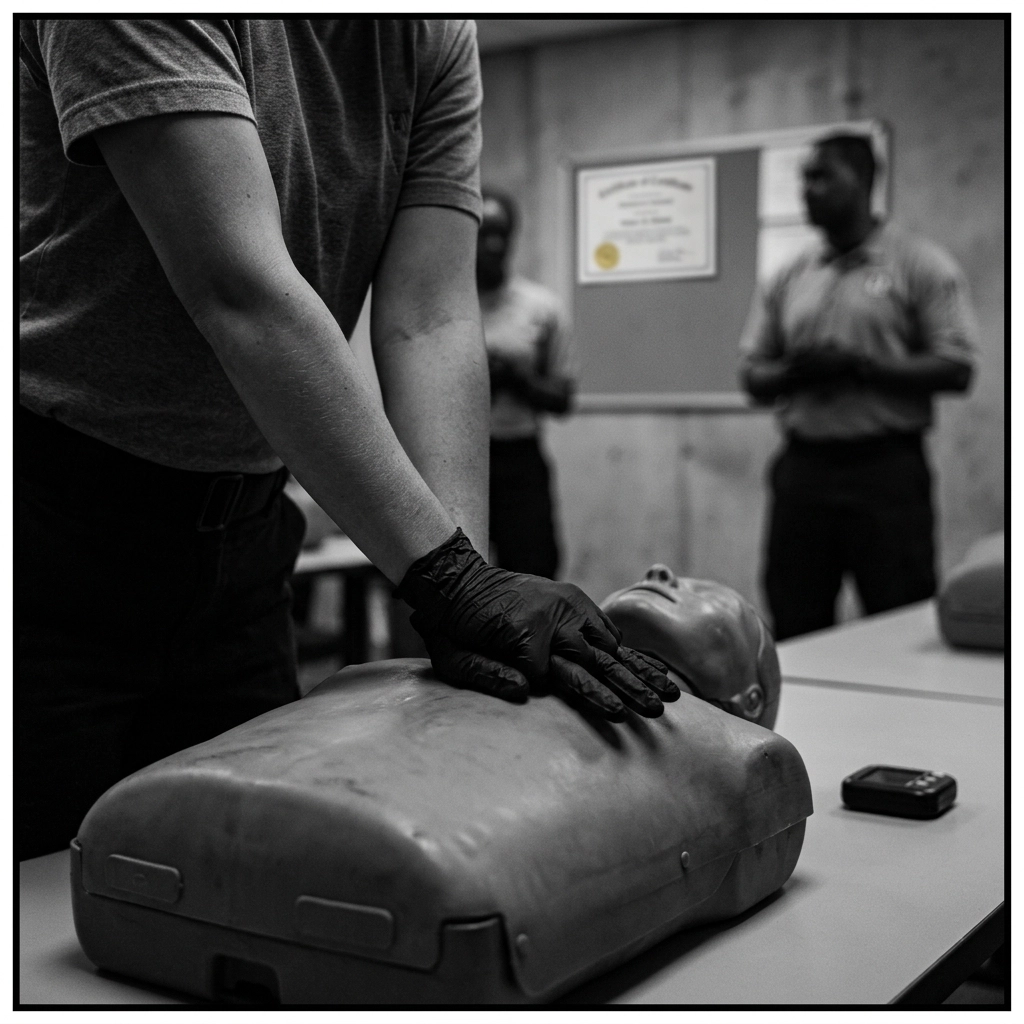
The Fix: Make it interactive. Our approach to workplace safety training centers on hands-on learning. Whether it’s practicing life-saving techniques on mannequins or walking through a simulated hazard assessment, active participation triggers muscle memory and keeps the mind sharp. When employees do the work during training, they are far more likely to do it correctly during a crisis.
3. The "One-and-Done" Trap
Many companies provide robust safety training during onboarding and then never touch the subject again until a mandatory refresher years later. Safety skills, particularly first aid and emergency response, are perishable. If they aren’t practiced, they disappear.
The Fix: Implement a culture of "micro-learning" and regular refreshers. Safety shouldn’t be a once-a-year event; it should be a consistent conversation. Use your weekly stand-ups to highlight a single safety tip or conduct a five-minute "tailgate talk" on a specific protocol. This keeps preparedness at the forefront of everyone’s mind.
4. Failing to Tailor Content to the Real World
Generic safety videos often feel disconnected from the day-to-day reality of your specific industry. If an office worker is watching a video on heavy machinery safety, or a warehouse team is watching a corporate office ergonomics tutorial, they will check out.
The Fix: Customize your scenarios. Training is most effective when it reflects the actual hazards your team faces. We pride ourselves on making essential safety information accessible and practical for real-world application. We look at your specific workspace to ensure the training we provide is 100% relevant to your environment.
5. Ignoring Leadership Buy-In
If your managers aren't wearing their PPE or aren't participating in safety drills, why should your employees? Safety culture starts at the top. When leadership treats safety training as a "break" or an "interruption" to "real work," it sends a dangerous message about the company’s priorities.

The Fix: Lead by example. Ensure that operations directors and HR managers are the first ones in the room for training sessions. When employees see leadership investing their time and energy into safety, it validates the importance of the program and strengthens the overall safety culture.
6. Disconnecting Safety from Overall Wellness
Traditional safety training often stops at physical hazards. However, a worker who is stressed, fatigued, or unwell is significantly more likely to make a mistake that leads to an incident.
The Fix: Integrate safety into your broader employee wellness programs. A holistic approach to safety includes mental health awareness, fatigue management, and ergonomic health. By caring for the "whole employee," you create a safer, more resilient workforce. Safe employees are happy employees, and happy employees are productive employees.
7. Neglecting the "Why" (The Human Element)
Compliance-based training often focuses on "What" to do and "How" to do it, but it forgets the "Why." Why does this protocol matter? Why do we have these rules? Without the human element, safety feels like a set of restrictive rules designed to slow people down.
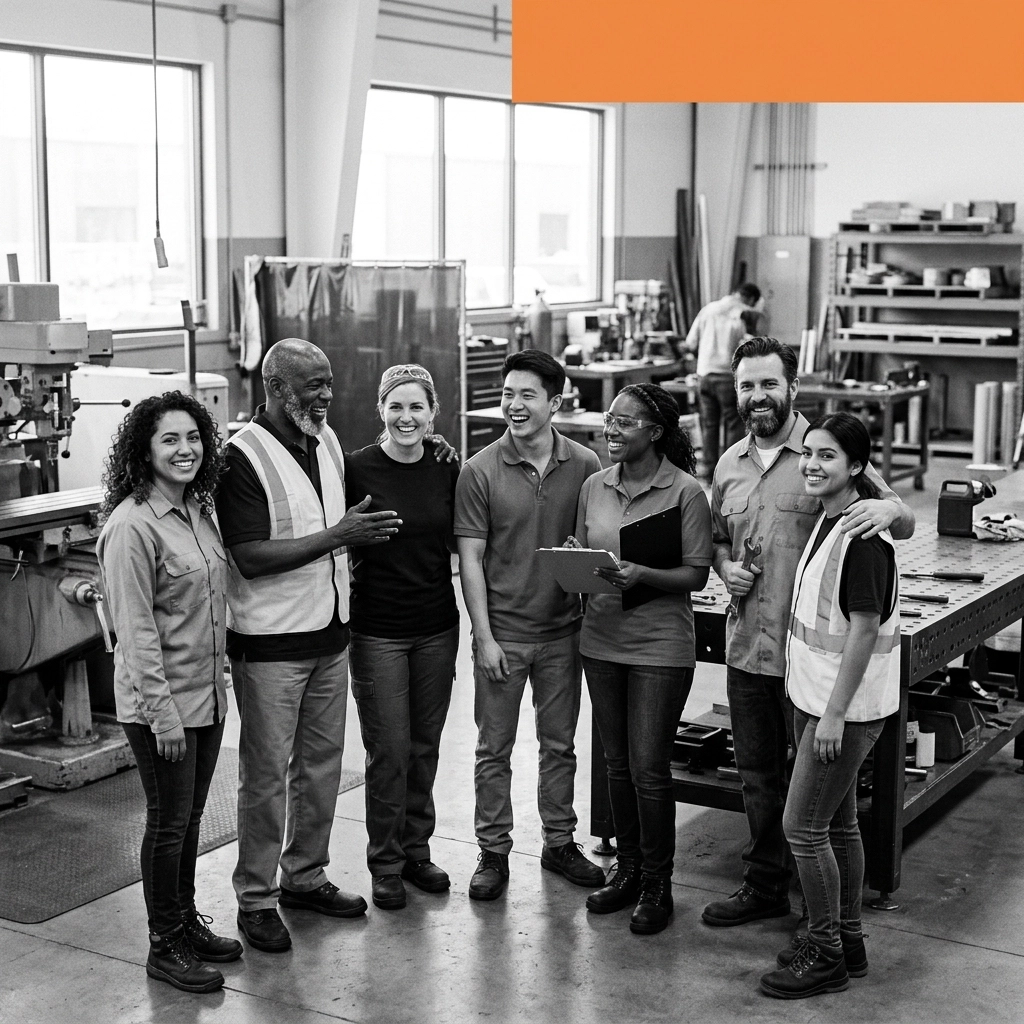
The Fix: Humanize the impact. Focus on the fact that these protocols are about making sure everyone goes home to their families at the end of the day. Use stories, testimonials, and real-world examples to emphasize the integrity and compassion behind safety standards. When employees understand that safety is about protecting their teammates and their community, they take it personally.
Strengthening Your Safety Culture with Lioness
At Lioness Response & Consulting LLC, we don’t just teach protocols; we empower people. We know that as an HR manager or Ops director, you need a partner who can take the burden of compliance off your shoulders while delivering training that actually works.
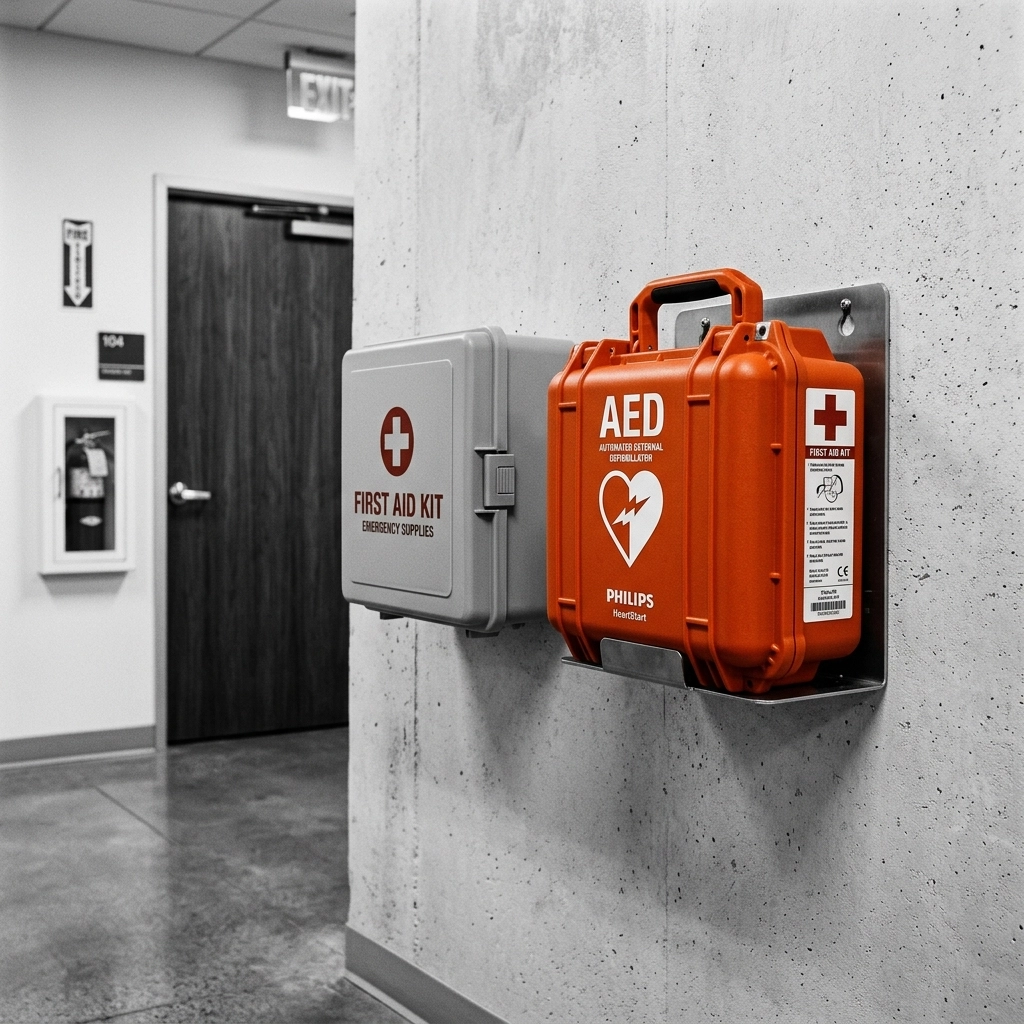
Our mission is to provide engaging, high-impact instruction that sticks. From our diverse range of courses to our commitment to making technical expertise accessible, we are here to help you build a safer, more confident workplace.
Don't let your safety training be an afterthought. Let’s work together to turn your compliance requirements into a lasting culture of preparedness.
Are you ready to elevate your team’s safety?Contact us today to discuss a customized training plan that fits your industry, your team, and your mission. Together, we can create a safer environment for everyone.


Comments