Mastering AED Use: AED Training Basics
- Fernanda Elodi
- May 12
- 3 min read

Using an Automated External Defibrillator (AED) can save lives during sudden cardiac arrest. I want to share essential steps to master AED use confidently. This guide breaks down the process into clear, simple actions. Whether you are a professional or a concerned citizen, understanding AED use is critical.
Understanding AED Training Basics
AED training basics start with knowing what an AED does. The device analyzes the heart’s rhythm and delivers an electric shock if needed. This shock can restore a normal heartbeat. The key is acting quickly and correctly.
Training covers:
Recognizing cardiac arrest signs
Turning on the AED
Attaching pads properly
Following voice prompts
Performing CPR alongside AED use
Hands-on practice is vital. It builds muscle memory and reduces hesitation during real emergencies. I recommend enrolling in a certified course to get practical experience. You can also find resources online that explain how to use an AED training effectively.
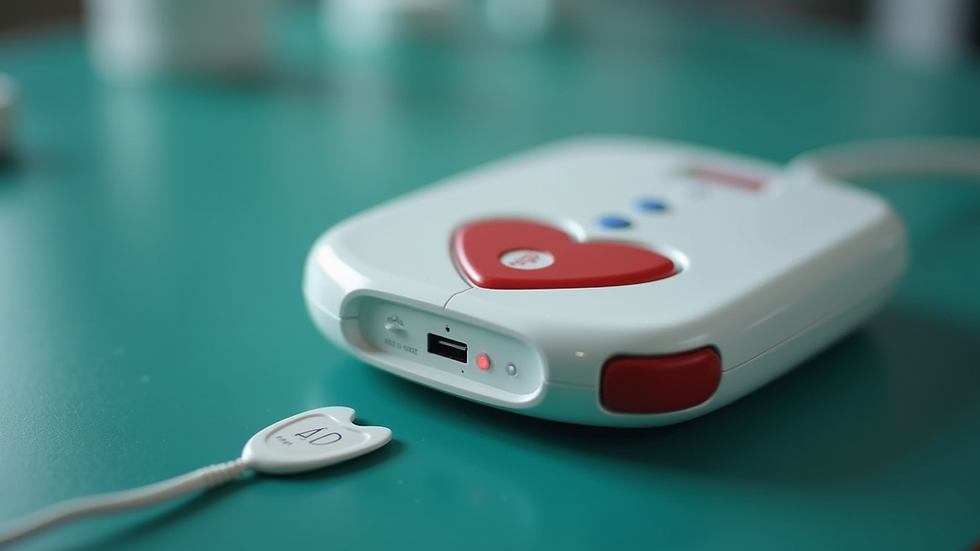
Step-by-Step Guide to Using an AED
Here is a straightforward process to follow when using an AED:
Check the scene and the person
Ensure the area is safe. Check if the person is unresponsive and not breathing normally.
Call for help
Dial emergency services immediately or ask someone else to do it.
Turn on the AED
Press the power button. The device will start giving voice instructions.
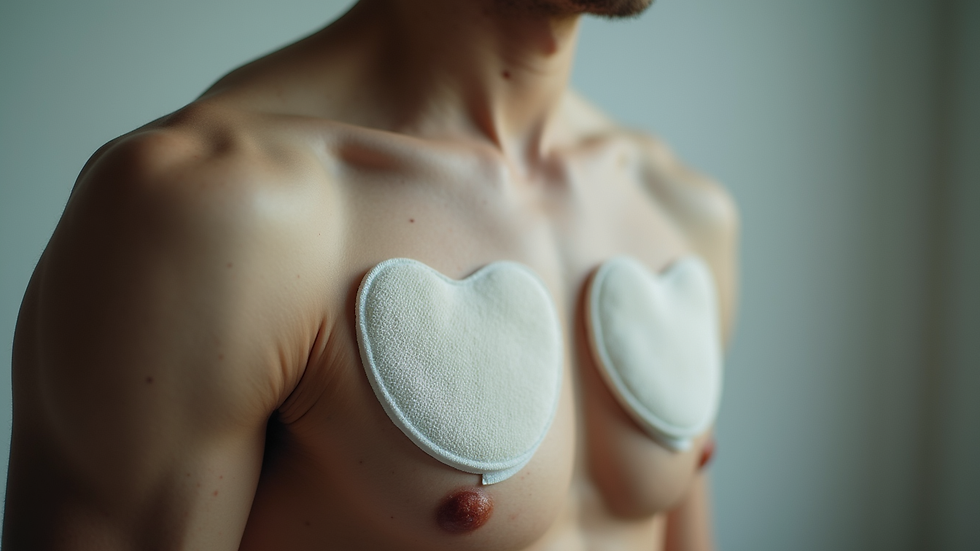
Expose the chest
Remove clothing to place the pads directly on the skin.
Attach the pads
Place one pad on the upper right chest and the other on the lower left side, below the armpit.
Let the AED analyze
The device will check the heart rhythm. Do not touch the person during this time.
Deliver the shock if advised
Press the shock button when prompted. Make sure no one is touching the person.
Resume CPR
Continue chest compressions and rescue breaths as instructed until help arrives or the person recovers.
Practice these steps regularly. Familiarity reduces panic and improves response time.
Do you remove a woman's bra for CPR?
Yes, you should remove a woman’s bra to perform CPR and use an AED properly. The chest must be fully exposed to place the AED pads correctly. Most bras have clasps or elastic bands that can be quickly removed or cut if necessary.
Removing the bra ensures:
Proper pad placement for effective shock delivery
Clear access for chest compressions
Avoiding interference with the AED’s analysis
If you are unsure, prioritize quick action. The goal is to restore the heartbeat as soon as possible.
Common Mistakes to Avoid During AED Use
Even trained individuals can make mistakes. Here are some common errors and how to avoid them:
Delaying AED use
Time is critical. Turn on the AED immediately after confirming cardiac arrest.
Incorrect pad placement
Follow the diagrams on the pads. Misplacement reduces shock effectiveness.
Touching the patient during analysis or shock
This can interfere with the AED’s reading and cause injury.
Not continuing CPR after shock
Keep performing CPR until emergency responders take over.
Ignoring voice prompts
The AED guides you step-by-step. Listen carefully and follow instructions.
Avoiding these mistakes improves the chance of survival.
Building Confidence Through Regular Training
Confidence comes from practice. I suggest:
Attending refresher courses every year
Practicing with training AEDs
Participating in simulated emergency drills
Reviewing instructional videos and materials
Regular training helps you stay calm and efficient. It also prepares you to teach others and promote safety in your community or workplace.
Mastering AED use is a skill that empowers you to save lives. Take the time to learn and practice. Your readiness can make all the difference.
Empowering Yourself with Lifesaving Skills
Learning to use an AED is more than a skill - it’s a responsibility. By mastering AED use, you contribute to a safer environment for everyone. Remember, emergencies can happen anywhere - at work, school, or in public spaces.
Stay prepared by:
Keeping AEDs accessible and maintained
Encouraging others to get trained
Staying updated on the latest guidelines and techniques
Your knowledge and action can turn a critical moment into a life-saving event. Embrace the training and be ready to respond confidently.
Mastering AED use is achievable with the right training and mindset. Start today, practice often, and be the difference in an emergency.


Comments